
 English
 中文
中文

промежуточный валок
Sure — here is a 500-word English description of an “intermediate role,” without any company name:---An intermediate role represents a significant stage in a professional career, positioned between entry-level responsibilities and senior-level leadership. Professionals in this stage are expected to work with greater independence, demonstrate stronger judgment, and contribute more consistently to the success of a team or department. While entry-level employees typically focus on learning processes and completing assigned tasks, individuals in intermediate roles are usually trusted to handle more complex work, solve problems proactively, and support others when needed.One of the defining characteristics of an intermediate role is the balance between execution and autonomy. At this level, employees are no longer simply following detailed instructions. Instead, they are expected to understand goals, prioritize tasks, and make informed decisions within their area of responsibility. This often requires a deeper understanding of workflows, tools, and industry standards. Intermediate professionals may also be asked to coordinate with colleagues across different functions, manage deadlines, and ensure that their work aligns with broader objectives.Communication is another important aspect of an intermediate role. People in these positions are often required to explain ideas clearly, share updates with team members, and participate in discussions about planning or improvement. Strong communication skills help them collaborate effectively and contribute to a positive work environment. They may also act as a bridge between junior staff and senior leaders, translating expectations into practical action and helping to maintain smooth operations.Problem-solving becomes increasingly important at this stage. An intermediate professional is expected to identify issues, analyze situations, and propose workable solutions rather than waiting for direction. This ability to think critically is valuable in fast-paced or changing environments, where quick and accurate decisions can have a strong impact. In many cases, intermediate employees are also responsible for reviewing their own work carefully and making adjustments before problems grow larger.In addition to technical ability, an intermediate role often requires reliability and consistency. Employers look for people who can manage responsibilities with minimal supervision, meet deadlines, and maintain quality standards. Being dependable builds trust and often leads to new opportunities for growth. At this stage, professionals may begin mentoring newer team members, sharing knowledge, and contributing to training efforts, even if they are not formally in a leadership position.Career development is also closely connected to the intermediate stage. It is a time when individuals strengthen their expertise, refine their working style, and prepare for more advanced responsibilities. Many professionals use this stage to build a strong foundation for future advancement by expanding their skills, taking on challenging assignments, and learning from feedback. The experience gained in an intermediate role can be especially valuable for moving into senior, specialist, or managerial positions later on.Overall, an intermediate role is an important and rewarding part of professional growth. It combines responsibility, learning, and contribution in a way that helps both the employee and the organization move forward. People in these roles are expected to be capable, adaptable, and dependable, while continuing to develop the skills needed for the next stage of their careers.---If you want, I can also make it:1. more formal,2. simpler English,3. more suitable for a resume/job description.
продукт
классификация:
-
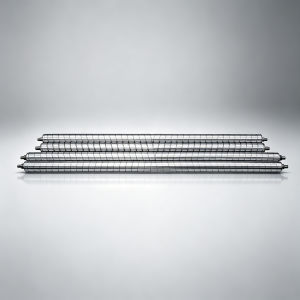
Промежуточный бросок
Их классификация: Запасные части для роликовмнения: 86номер:Время выпуска: 2026-07-05 17:26:49Промежуточные валки являются важными переходными компонентами, устанавливаемыми между рабочими и опорными валками в натяжных правильных машинах и многовалковых правильных машинах. Они перераспределяют нагрузку на прокатку, уменьшают прогиб валков, защищают рабочие валки, повышают точность плоскостности полосы и продлевают срок службы всей системы валков.
новости
классификация:
Нет результатов поиска!
случай
классификация:
Нет результатов поиска!
видео
классификация:
Нет результатов поиска!
скачать
классификация:
Нет результатов поиска!
вербовка
классификация:
Нет результатов поиска!
Рекомендуемые продукты
Нет результатов поиска!


